Protein for Women in Strength Training: What the Research Actually Shows
Updated: Apr 17
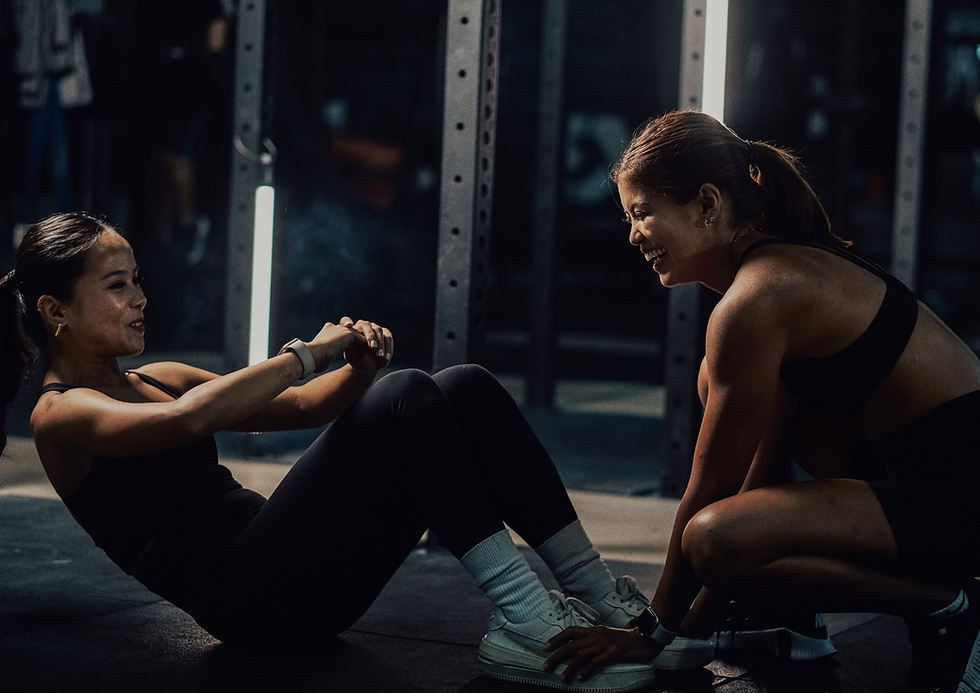
Protein for women in strength training is still widely misunderstood, partly because women remain grossly underrepresented in exercise and nutrition research. Even though so many rely on structured training and thoughtful dietary choices to feel strong, energised, and capable across different life stages.
A recent systematic review and meta-analysis gives one of the clearest views yet of how multi-ingredient protein supplements work alongside consistent training for women. The findings reveal what actually supports muscle growth, strength, and functional health, and what doesn’t.
Why Protein Matters for Women in Strength Training
Muscle responds to high-quality protein, but women often need more deliberate intake than we realise. Hormonal fluctuations and generally lower baseline muscle mass mean that protein timing, quantity, and type can make a real difference in how your body adapts to training.
Multi-ingredient protein blends, which may include whey, casein, soy, leucine, creatine, vitamin D, and carbohydrates, can support muscle repair, recovery, and performance. They’re not a magic formula, but they help your body get the nutrients it needs, especially if hitting protein targets through food alone is a challenge.
What the Research Shows
The review analysed nine trials involving 408 women aged 18 to 73. All followed structured exercise routines, mostly resistance training, sometimes paired with aerobic sessions.
The results were clear:
Muscle mass and strength improved- Fat-free mass increased by around 0.45 kg, and hypertrophy gains were statistically significant.
Strength gains were meaningful- Women became stronger in line with their training effort.
Fat mass didn’t change much- Muscle growth doesn’t automatically equal fat loss.
In short, your body responds to protein and training in measurable ways, but those changes don’t always show up as weight loss or slimmer measurements straight away.
Who Benefits Most
Some patterns emerged in the research:
Age matters- Older women gained more muscle mass, while younger women showed bigger strength gains.
Body composition matters-Women classified as overweight responded better than women living with obesity, reflecting natural differences in muscle response.
Timing counts- Protein taken close to workouts supported muscle mass, while taking it with meals enhanced strength.
Consistency is key- Changes were most reliable in programmes lasting twelve weeks or longer.
How Much Protein Do Women Need for Strength Training?
For most women who train regularly:
Aim for 1.2–2.0 g of protein per kg of body weight per day, with 0.32–0.38 g per meal to stimulate muscle repair and growth.
Multi-ingredient protein blends can fill gaps if hitting targets through food is tough.
Resistance training 3 times a week, using compound moves like squats, presses, rows, and deadlifts, forms the foundation for strength gains.
Aerobic or HIIT sessions can complement training, especially if improving cardiovascular health or managing body fat is a goal.
Why This Matters for Everyday Health
Muscle isn’t just about how you look, it supports energy levels, metabolic health, bone strength, and functional independence.
Across life stages, whether juggling work, caregiving, or navigating hormonal changes, consistent resistance training and adequate protein intake make a tangible difference. The stronger your muscles, the more resilient and capable you feel in everyday life.
Shifting focus from weight loss to strength and capability often brings a deeper, more sustainable motivation. It’s about building a body that works for you, not just one that looks a certain way.
Key Takeaways for Women
High-quality protein plus structured resistance training improves muscle mass and strength.
Muscle growth does not automatically equal fat loss; they follow separate pathways.
Age, body composition, supplement timing, and programme consistency all influence results.
Multi-ingredient protein can help bridge nutritional gaps.
Long-term consistency, not quick fixes, delivers sustainable progress.
If you’re based in London and want a clear, structured approach to your training, you can learn more about our personal training services here.
Reference:
Zhou, C., Qiu, M., Zeng, Z., et al. (2025). Effects of multi-ingredient protein supplementation combined with exercise intervention on body composition and muscle fitness in healthy women: A systematic review with multilevel meta-analysis. Frontiers in Nutrition.


Comments